

GenAI & Agentic AI Foundations
WORKSHOPS · 06 · HALF-DAY COURSE
WORKSHOPS · 06 · HALF-DAY COURSE
GenAI & Agentic AI Foundations
A 3.5-hour, hands-on session applying prompt fluency and agent-workflow skills to two or three of your own real work tasks. Participants leave with two to three validated, working applications, not demonstration scenarios.
You leave with
- Two to three working apps
- Prompt & agent fluency
- Human-check boundary
- Keep building afterward
Duration
3.5 hours, single session
Format
In-person, hands-on with live tools
Cohort size
Max 30 participants
Requires
Two to three of your own real work tasks
Facilitator
WSQ and HRDC accredited trainer, 1,000+ learners taught
Also delivers
Corporate in-house Capacity Building tracks
CPD / CPE hours
4 CPD hours
Certificate on completion
Certificate of Completion, Praxora Lab
Overview
Most GenAI pilots still fail to reach production, and the reason is rarely the model
MIT's NANDA initiative found that ninety-five percent of generative AI pilots fail to produce a lasting profit; S&P Global separately found forty-two percent of enterprises had scrapped most of their AI initiatives by late 2025, up from seventeen percent a year earlier. None of this points to a capability gap in the models themselves: Anthropic's own research measures task-level time savings as high as eighty percent, and Gartner nonetheless predicts more than forty percent of agentic AI projects will be cancelled by the end of 2027 over unclear business value and inadequate risk controls, failure modes that are detectable before implementation, not after.
Joshua Lau teaches this course the same week he is typically running AI transformation inside his own manufacturing operation, not a training company built solely to teach the material. More than a thousand learners across Singapore and Malaysia have gone through some version of it. Participants leave with two to three working applications built on their own real tasks, with a documented human-check boundary for each, the fluency this research suggests is what actually separates a pilot that dies from one that reaches production.
Why Praxora
Why this, not a platform
Two to three working AI applications built on your own tasks, not a demo.
-
Practitioner-led, not faculty-assigned
Joshua Lau teaches this course the same week he's running AI transformation inside his own manufacturing operation, not from a slide deck built by someone else.
-
A named framework, not a licensed template
Built on the GenAI Foundations and Agentic AI in Practice tracks he already delivers as corporate in-house engagements, not a licensed course.
-
One real, produced output — not a case study
Every session ends with two to three working AI applications built on tasks you actually bring in, not demonstration scenarios.
-
A small, capped cohort
Max 30 participants, so the room works hands-on, not watching a demo from the back row.
-
Built on institutions that already trust it
More than a thousand learners have already sat through some version of this material across Singapore and Malaysia.
-
One focused session — not an 18-week course
3.5 hours, one session. No cohort waitlist, no months of drip-fed modules.
Key takeaways
What participants leave with
-

Two to three working AI applications built on real work tasks, not demonstration scenarios.
-

Hands-on fluency in prompting and agent or orchestration workflows, reusable independently after the session.
-

A documented human-check boundary stating which steps of each application need a person and which can run unsupervised.
-

The fluency to keep building afterward, without the facilitator in the room.
See a full sample of these documents › Filled out for a fictional company, so you can judge the format before enquiring.
Objective
Apply prompt and agent-workflow fluency to two or three of the participant's own real work tasks, and identify which step in an agentic workflow needs a human check and which can run unsupervised.
Hands-on, with live tools throughout. This is the public, open-enrolment compression of the GenAI Foundations and Agentic AI in Practice tracks Joshua Lau already delivers as corporate in-house engagements under Capacity Building, adapted here to a single mixed cohort rather than one organisation's own staff.
Why this course
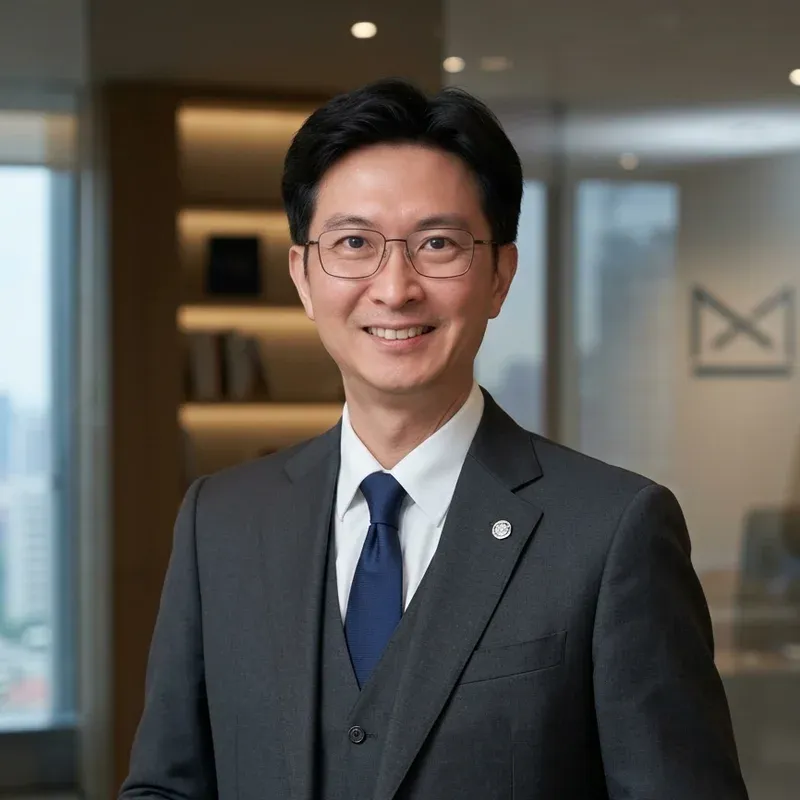
I run this course the same week I am usually also running AI transformation inside my own manufacturing operation, and I think that dual seat is exactly why it works. I am not teaching from a slide deck built by someone who has never had to make a production line's AI adoption actually stick. I am teaching the version of prompt fluency and agent workflows I use myself, on Monday morning, in a business that was not built as a technology company.
More than a thousand learners have now sat through some version of this material across Singapore and Malaysia, and the ones I remember are never the ones who left impressed by a demo. They are the ones who came back weeks later and told me they had used it on something real, unprompted. That is the only measure of this course I actually trust. Capacity building is not about transferring knowledge, it is about equipping people to progress independently, and I mean that most personally in this room: I would rather teach two working applications you built yourself than twenty you watched me build.

Syllabus
Four segments across 3.5 hours
Left with two to three validated, working AI applications drawn from the participant's own work, not demonstration scenarios.
-
20 min
Framing
The tasks in the room.
- Two to three real work tasks brought into the room, not demonstration scenarios
- What makes a task a good first candidate for AI, versus a bad one
- The human-check boundary question the rest of the session will answer
OutputTwo to three candidate tasks selected
-
1 hr 10 min
Prompt fluency and tool workflows
Applied to the first task.
- Prompt fluency, hands-on, applied directly to the first task
- Retrieval-augmented generation and tool workflows, in plain working terms
- Building the first working application live, not watching a demo of one
OutputFirst working application
-
15 min
Break
-
1 hr
From single prompts to delegated work
Agents and orchestration, applied to the second task.
- Moving from single prompts to agents and orchestration
- Delegating a multi-step task rather than prompting one step at a time
- A second working application, built on the participant's own second task
OutputSecond working application, with a delegation note
-
45 min
Close
Which steps stay human-checked, and why.
- Which steps in each application need a person, and which can run unsupervised
- A documented human-check boundary participants can defend to their own team
- The fluency to keep building afterward, without the facilitator in the room
OutputDocumented human-check boundary for both applications
Who should attend
Any working professional with real tasks to bring
-
Working professionals
Working professionals across any function looking to build applied AI fluency.
-
Teams sent together
Teams sent together to build shared, working applications for their own tasks.
-
Staff moving into governance
Staff preparing to move into a governance or compliance-focused role.
Facilitator
Dr. Joshua Lau
AI Transformation Leader and Accredited Adult Educator
Managing Director leading AI transformation at a Malaysian manufacturer, and a WSQ and HRDC accredited trainer who has delivered generative AI and agentic AI training to more than 1,000 learners across Singapore and Malaysia.
Read the full profile ›Common questions
Before you enquire
-
What should participants bring?
Two or three real work tasks you would like to try applying AI to, described well enough to state what the task is, what data or documents it touches, and who currently does it. No prior AI experience required.
-
Is this the same as the Capacity Building corporate track?
It draws on two of the same four tracks, GenAI Foundations and Agentic AI in Practice, but this is a public, open-enrolment session for a mixed cohort. Capacity Building is a separate, scoped corporate in-house engagement built around one organisation's own team and workflows, and still runs independently of this course.
-
Do we need our own laptops or accounts?
A laptop is required; tool access is provided or specified in advance so the session's hands-on segments work without setup delays on the day.
-
How does this relate to Building the AI-Ready Workforce, the integrated programme?
This course is one of the three pillars in that one-day programme, run alongside Michael Low's S.E.N.S.E. course and Sameen Khan's data-governance course. Organisations building a full workforce roadmap should look at the integrated programme instead.
-
Is there a discount for sending more than one person, or booking more than one course?
Yes. Organisations sending leadership through more than one course, or through a course and its integrated programme, get a combined rate rather than separate bookings. See the corporate and bulk enrolment section on the workshops page, or raise it directly in your enquiry.
-
What if I need to cancel, defer or a session is rescheduled?
Full terms for individual, open-cohort and corporate in-house bookings, including deferral windows and what happens if Praxora Lab cancels a session, are set out in the refund and cancellation policy.
-
What happens after the session ends?
Every cohort joins a standing network of practitioners and business leaders: ongoing networking events, fireside chats, and case study interviews with business owners and C-suite leaders on AI projects they've recently completed. The named facilitator also stays the point of contact for questions on applying what was covered.
Industry engagement
A network that keeps working after the workshop ends
Every cohort at Praxora Lab joins a standing network of practitioners and business leaders, not a one-off attendee list. Alumni are invited back for ongoing networking events, fireside chats with industry experts, and case study interviews with business owners and C-suite leaders on AI projects they have recently completed, a running view of what adoption actually looks like once the workshop room empties.
The learning experience
A small cohort, led by the practitioner who built the course
Every session is capped at a small cohort and taught in person by the practitioner who built it, not a teaching assistant working from someone else's slides. Participants work against one real team's own workflow rather than a generic case study, and leave with a draft they can put to use immediately.
A named facilitator, not a support desk, stays the point of contact after the session for questions on applying what was covered.
Investment
Open cohort, or in-house through Capacity Building
Open cohort
On enquiry
Per participant, max 30 participants
- Certificate on completion: Certificate of Completion, Praxora Lab
- Two working applications, built on your own tasks
- Documented human-check boundary for each
This session runs as a public, open-enrolment cohort only. For a dedicated session built around one organisation's own team and workflows, see Capacity Building, which covers this course's two tracks in greater depth alongside two others. Full cancellation, deferral and refund terms are set out in the refund and cancellation policy.
Enquire about upcoming dates